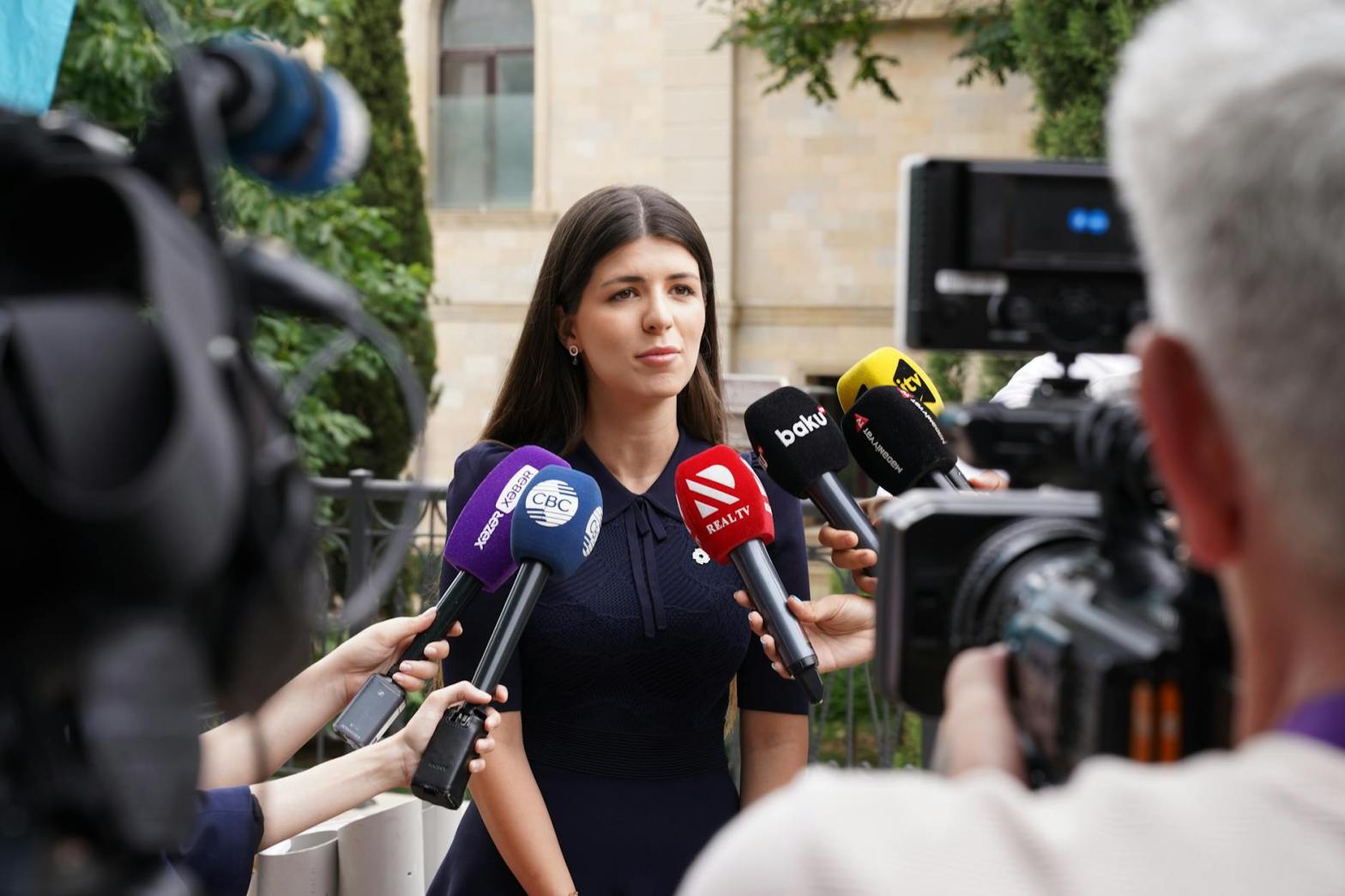
If the thought of getting in front of a camera to talk about your business fills you with dread, you are not alone.
Three quarters (75%) of people in the UK experience some form of public speaking anxiety, or glossophobia as it is known.
From sweaty hands, to talking fast or clamming up in fear, 73 % of business professionals openly admit shying away from public speaking.
However, it could be holding businesses back. 70% of UK adults watch TV news making it still one of the best places to gain reach for media campaigns. Even some online and radio outlets rely on video content with recorded interviews providing a staple for media content.
We look at some of the best ways to prepare for media interviews to banish the fear and make sure you get the most out of the opportunity.

When it comes to interviews preparation is key
Be clear on what the interview is about. It might seem daft but check that yours and the journalist’s view on the angle are aligned before you agree to the interview. When you are approached ask what they want to talk about, will you be the only interviewee, if others are there who, and what will their viewpoint be? Will you talk separately or be expected to discuss your views? Where will the interview take place? Think about the location and if it is aligned with your messaging and business.
When a TV request comes in it might seem like a great opportunity to get your name out there. However, a poorly aligned interview can be damaging for a business. Be clear on what your viewpoint is and what you are comfortable talking about and what you are not. If you aren’t the right interviewee for their piece, then don’t be afraid to say no.
Be clear on what you want to say
Think about what you want your messaging to be and concentrate on a maximum of 3 key messages. TV packages are only a few minutes long, so it doesn’t give a lot of scope to get any more than three key messages across.
Take the time to really think about what are the top three things your audience really needs to know. What do you want them to do after watching the piece, what will they be interested in knowing that will spark interest for them to find out more?
You should never practice your answers word for word as you will end up fumbling through the interview trying to remember the exact wording. This will make your answers seem wooden and you will lose connection with the audience. Instead practice talking about your views and thinking about key phrases, data or examples that are useful in backing up your views.
Talk in soundbites
Broadcast interviews are only ever very short and usually are a few minutes in length in total. However, the crews tend to film lots of content which will all be broken down into smaller pieces. If you give long answers the chances are your responses will get drastically chopped and you will lose control over what they use. It is important to think of your responses as soundbites – short snappy answers. Try to sum up your message in no more than 20 seconds and think about how you make every word sound interesting.
Don’t overly complicate things
Jargon should be avoided at all costs. Keep your answers easy to understand as jargon can alienate the audience in all but the most specialist of trade press.
Instead try to answer in the same way you would when talking to a friend. Smile and keep your conversation light and engaging.
A great interview flows like a conversation and will have people feeling like they are right there with you.
Be polite even when shutting down unwelcome questions
If you find the interview veering into a different direction don’t just ignore the questions or become difficult.
Keep the conversation light and use the bridging or ABC technique to move the story on
Answer: I can’t comment on speculation
Bridge: but what I can say is
Communicate message: we will …
Ignoring questions annoys the audience so it is best to carefully steer the conversation away rather than avoiding it.
If you find yourself being asked the same question 2 or 3 times, then simply respond with the same answer but keep it short
“As I say we will work to our existing strategy”
“It really is too early to tell”
Or, for persistent difficult questioning stay polite but firm
“I really feel I have said everything I can on this point, shall we move on?”
It is not just what you say that matters
TV is all about images so don’t forget to take the time to think about your surroundings as well. If the interview is being held at your business is your branding up to date, is the background of the shot clear of mess? Will it give the best view of your business?
There have been plenty of interviews where I have quickly moved an ill placed sign or tidied away items before the cameras roll. It is all too easy to concentrate on what you are saying and forget to think about what the venue or background is saying about your business.
Are there any ways to subtly add branding? Menus on tables, background signs, a branded work uniform? Why not use a branded umbrella instead of a plain one if it is raining?
When handled correctly media interviews can be the perfect way to raise a brand’s profile. With regional TV alone reaching millions of viewers every day it is the ideal way to build credibility and trust for your target market.
To get the most out of any opportunity it is important to think through your messaging, be clear what you want to achieve and always think about what the interview says about your business.
As with any coverage it could be your greatest opportunity or a missed chance to stand out.
Top tips
- Do your research before going on air. Be clear on what the interview is focusing on and what they are expecting you to talk about.
- Take the time to think about what you want to say but don’t over practice! The best interviews always sound like a natural chat not a rehearsed speech.
- Less is more – stick to three main points anymore and your messaging will get lost.
- Think through your outfit and how it will work on location. Make sure your outfit is comfortable and you aren’t spending all your time rearranging your clothing or fidgeting. If you have branded workwear, it is some of the best way to reinforce your business so don’t forget to wear it.

