
‘We think we need to be getting more press coverage’
It is a phrase I hear a lot and although technically ‘yes’ I can get coverage my first response is always why?
As with any marketing activity without focus PR rarely gets the results that you are looking for.
In today’s noisy media landscape just getting your brand coverage isn’t enough. PR needs to be focused, driven and work alongside other marketing activity, only then will you go from ‘getting press coverage’ to delivering activity that drives results.
We look at the 7 reasons why strategy isn’t just the first step in PR, it is the cornerstone for campaigns with impact.
Sets clear goals

Without strategy first it is like shouting into the void. Your messaging could be hitting the totally wrong audience, in the wrong way at the wrong time. Not an ideal way to get results.
By taking the time to understand how the activity is going to make a difference and what you are wanting to achieve it enables you to have a clearer understanding of what activity will get you to that point. Are you looking to highlight a particular product, target investment opportunities, start a recruitment campaign? All these aims have very different audiences and different messaging. Strategy builds focus into activity.
Defines target audiences and priority publications
Once you define your why you can then start to build a picture of who your target audience is. This will help to define where your messaging needs to be to reach that audience. Gaining press coverage in publications that your audience doesn’t read means your messaging will fall on deaf ears.
Also, different journalists are interested in different types of stories so understanding where your pitch needs to land will help you to understand what type of story will be strongest for your audience. Just writing a press release you expect to appeal to everyone will fall short for everyone.
During strategy meetings we often find that there is a stronger story to focus on that clients hadn’t even thought of. Defining your goal and then working back will always clarify that your pitch is right for your target market.
Timing is key
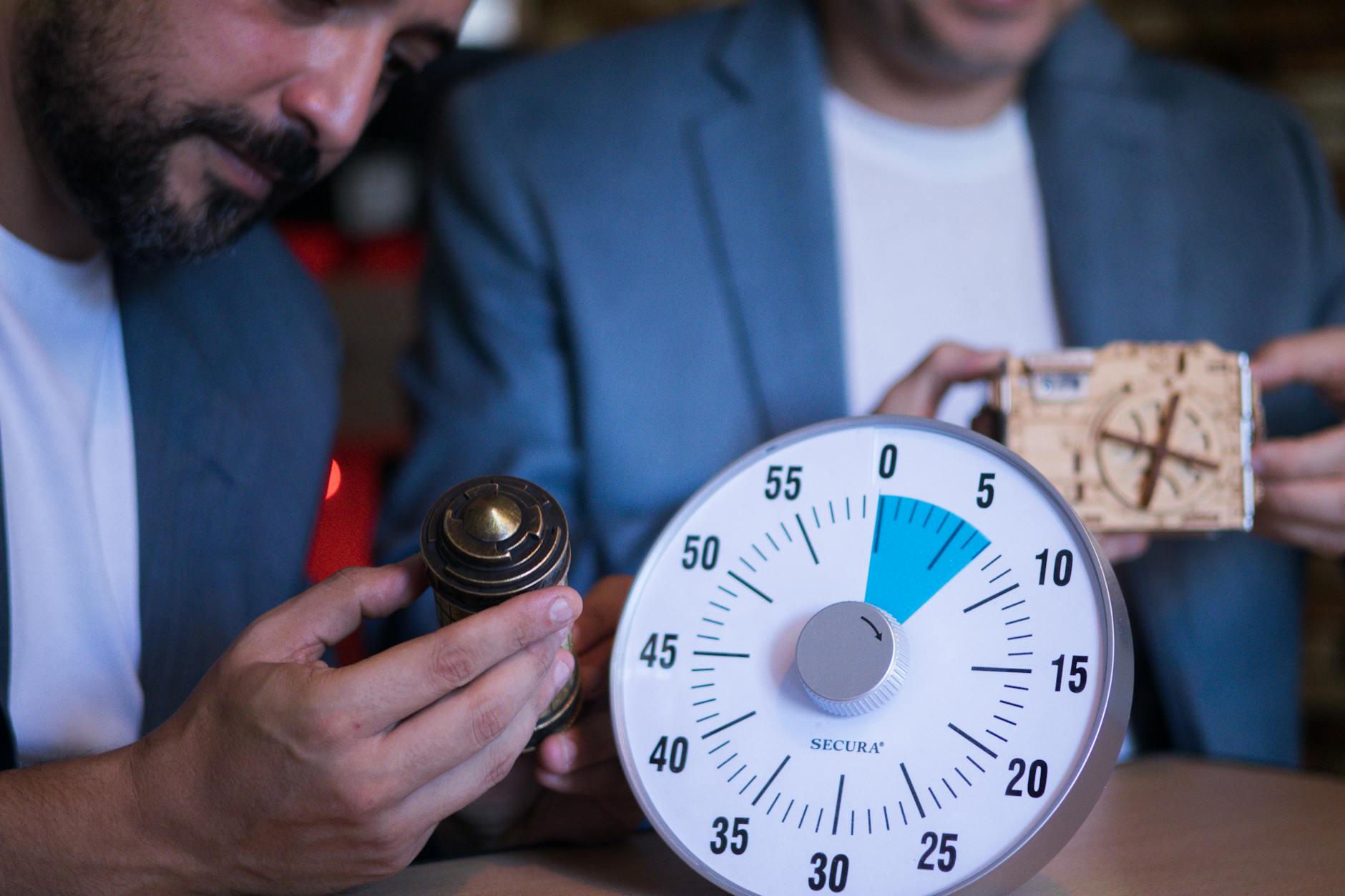
Good PR is consistent and when you have a strategy first approach it is about more than just what the campaign is going to achieve now. You look at the long-term focus and how the coverage fits into the wider aims of the business.
It also helps to create consistency across messaging. A strategy will highlight where activity is focused to make sure that there aren’t intense pockets of activity at certain points in the year and then radio silence for long periods. It means you can deliver the story at the best time for maximum impact and that activity is clearly thought out.
Amplifies positioning
By taking this approach it also means you don’t only drive consistency, but you can work to build a long-term narrative through your content. Each press release works together to highlight the correct message, at the right time. This means that you can amplify your core message and create a stronger narrative. Consistency is built into each message and you don’t confuse your audience with mixed messaging.
Highlights potential issues
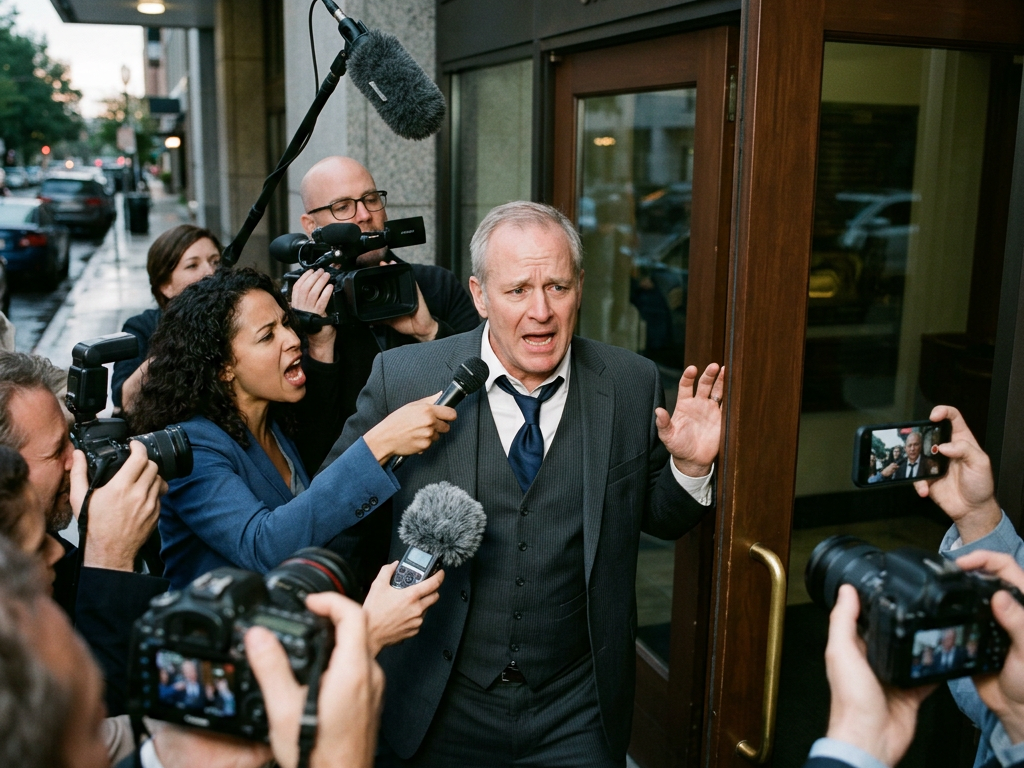
Nobody sets out to find themselves in the middle of a PR disaster. They can arise from almost anywhere but building a strong strategy helps to head off possible disasters before they materialise. It ensures your messaging is clear and focused in the right channels and takes into consideration outside factors that may affect the timing of announcements.
Prevention is the best way to stop a crisis, and a strong strategy is the first step in creating a coordinated and robust approach to crisis management.
Aligns activity
When PR is carried out on its own it can form disconnected messaging and missed opportunities. By aligning all the marketing channels together it allows the activity to pull in the same direction. Social media, newsletters and content feed off media coverage and when media coverage signposts to the website for more details messaging and calls to action align. They say you need to experience 7 touchpoints to influence activity by having marketing and PR working together it speeds up the process and creates a more seamless approach.
Makes results measurable

Being clear on why you are doing something means that you can measure success with clear KPIs. Your activity is no longer about just ‘getting some press’ it is about the tone of articles, are they delivering key messaging, do they meet business goals – lead generation, customer interest, sales of products, website clicks, investor interest.
When strategy leads the way it makes room for everything else to fall into place. It not only gets your message out there, but it makes sure it is working to gain maximum impact for your brand. Nothing is left to chance and your consistent, well thought out messaging continues to build a clear and concise narrative that resonates with your audience.
PR should never be about just getting ‘some’ coverage. Taking time to think, plan and align strategies is what takes a good story to another level and ensures your activity is delivering maximum impact.
Unsure where to start with your next PR campaign? Why not get in touch.

